
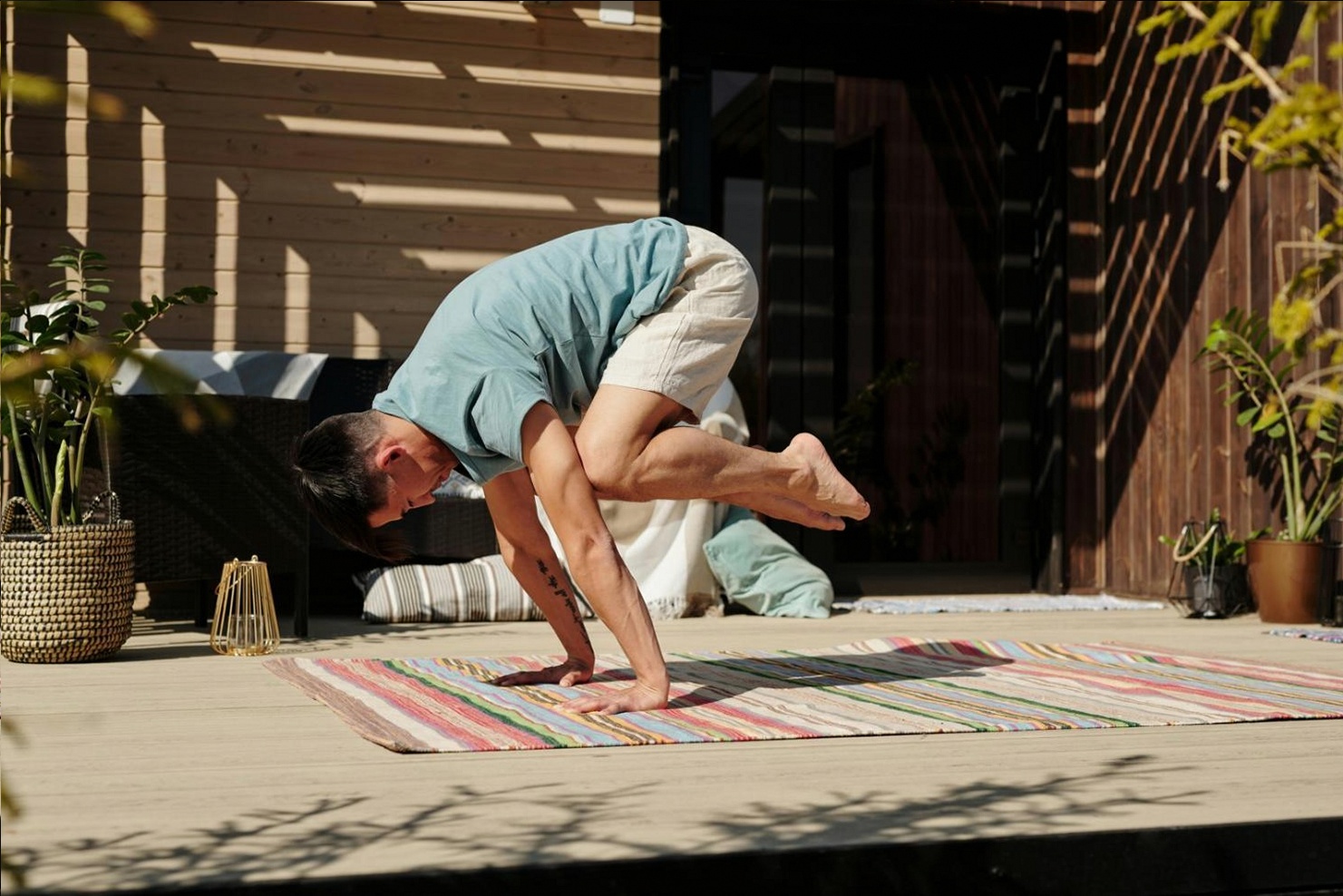


Office yoga session in a corporate workspace

Office Yoga — Canberra

Yoga that fits inside a working day

Structured movement sessions for teams who spend most of their hours sitting.

Offerzuno brings qualified yoga instruction directly into office environments — scheduled around your team's calendar, adapted to available space, and focused on the physical patterns that desk work creates. No commute, no studio membership, no disruption to the afternoon.

The Method

Designed around desk posture, not studio ideals

Most yoga formats assume a certain baseline of flexibility and a specific kind of space. Office yoga starts from a different premise — that the people in the room have been sitting for six hours and have twelve minutes before their next meeting.

Sessions address forward head posture, hip flexor tension, and shoulder compression — the three patterns that accumulate fastest in desk-based roles. Sequences are short enough to complete in a cleared meeting room, and every pose has a chair-supported alternative.

Instructor demonstrating a seated stretch for office workers

Posture-first sequencing

Each session targets the exact muscle groups that desk work shortens and overloads — not a generic flow borrowed from a studio programme.

Calibrated to mixed ability

Every group contains people at different comfort levels. Sessions are structured so nobody sits out and nobody feels singled out for needing a modification.

Minimal setup, fast transition

Sessions begin and end on time. Equipment is brought in, space is reset, and teams return to work without the session bleeding into the rest of the day.

Built-in instructor feedback loop

After the first four sessions, the instructor reviews what the group responded to and adjusts the programme — not a fixed curriculum delivered on repeat.

Situations where this tends to come up

Teams come to Offerzuno through different routes — some through a wellbeing budget, some after a spike in sick leave, some simply because someone asked. The situations vary, but the underlying pattern is usually the same.

Team working at shared desks in an open-plan office

Open-plan teams

High-density floors with no quiet space

When sixty people share one floor and the kitchen is the only breakout space, a structured movement session gives the team a reason to step away together — without it feeling like a forced social event.

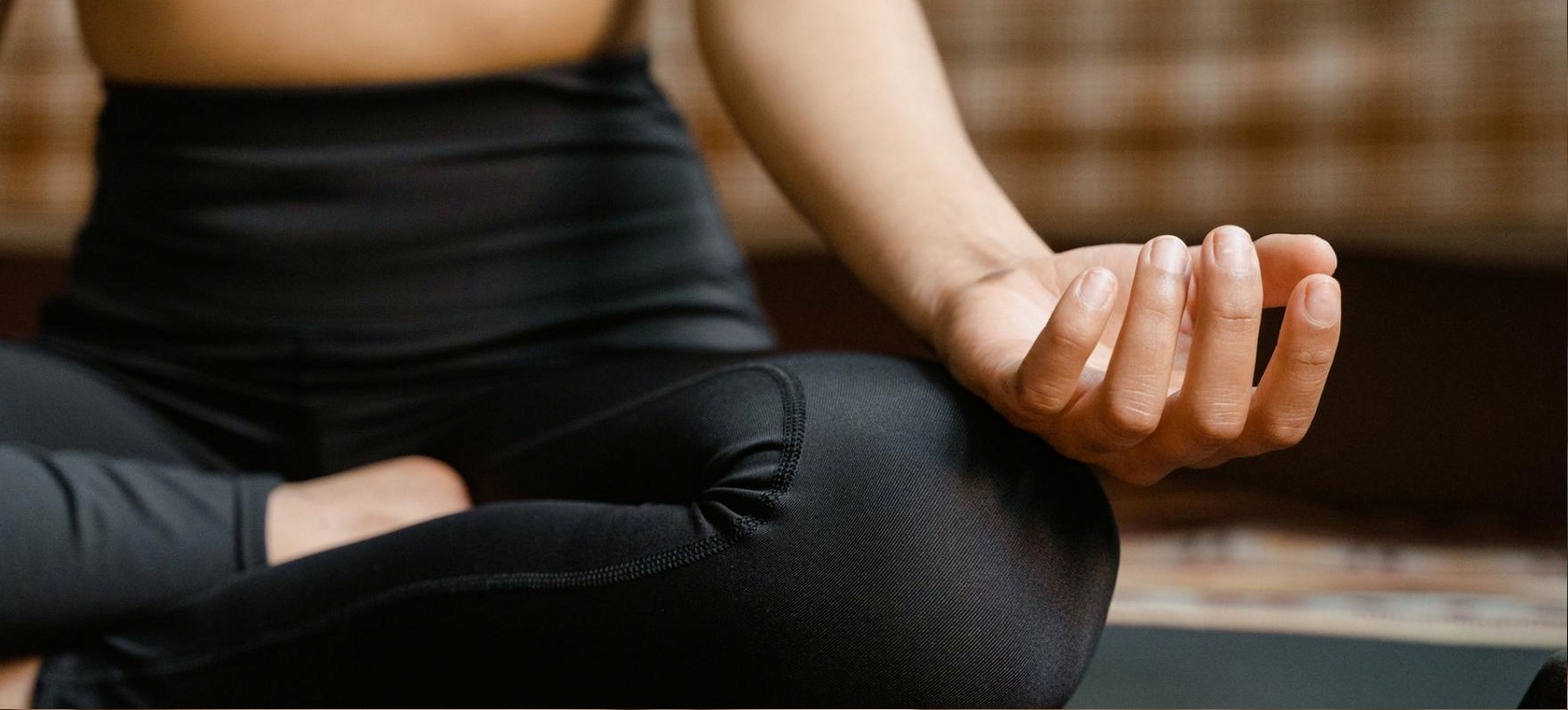
Small team in a meeting room setting up for a yoga session

Remote-first teams

Occasional in-person days that need structure

Teams that meet in person once a fortnight often pack the day with meetings. Adding a 30-minute session at the start or end gives the day a different texture — and people leave with something other than screen fatigue.

Wellness session during a corporate offsite

Offsites and planning days

Full-day sessions that need a reset point

A 45-minute yoga session mid-morning breaks up the cognitive load of a full planning day. It's not a team-building exercise — it's a practical way to keep concentration from dropping off after lunch.

The session format is the same across all three — what changes is the timing, the space, and the group size.

See the process →

Adapts to what the room actually looks like

No two offices are identical. The session structure flexes around the space, the group size, and the time available — not the other way around.

15

Minimum session length (minutes)

A focused 15-minute stretch sequence can fit inside a lunch break without cutting into eating time — useful when the calendar is tight.

4m²

Space per person required

A cleared meeting room or a section of open floor is enough. The instructor assesses the space before the first session and adjusts accordingly.

6–40

Participants per session range

Small leadership teams and full department groups both work. For larger groups, the instructor uses a structured circuit format so everyone gets clear cues.

3

Session formats available

Chair-based, mat-based, and hybrid — chosen based on the group's comfort level and the space constraints of the venue.

Yoga instructor adjusting a participant's posture in an office setting
Group stretching session in a corporate meeting room

Specific situations that were resolved

These are accounts from teams who ran sessions over a sustained period — not single-session impressions. Results took time and consistent participation to develop.

Portrait of Petra Vanhanen

Petra Vanhanen

Operations Lead, government services team, Canberra

We had a run of three months where sick leave in the team was noticeably higher than usual. After introducing fortnightly sessions, the pattern didn't reverse overnight — but by month four, attendance had stabilised and people were flagging tension earlier rather than pushing through.

The sessions ran lunchtime on Tuesdays in a cleared boardroom. Group size was between eight and fourteen people across the period.

Fortnightly programme
Portrait of Dariusz Kwiatkowski

Dariusz Kwiatkowski

Engineering Manager, software consultancy, ACT

Our team is fully remote except for monthly in-person days. We started adding a morning session to those days partly as an experiment. What changed was how the rest of the day felt — conversations were less guarded and people seemed more willing to sit with ambiguous problems rather than pushing for quick resolution.

Sessions ran 45 minutes, mat-based, in a serviced office space hired for the day. Consistent group of eleven participants over six months.

Monthly in-person format

Yuki Ostrowski

People & Culture Coordinator, financial services firm

The challenge was getting people to actually show up. We had tried a gym subsidy and almost nobody used it. With on-site sessions, attendance was high from the first week — probably because there was no commute involved and the time slot was protected in everyone's calendar.

Weekly sessions, chair-based format to accommodate a participant with a recent knee injury. Group ranged from six to twenty depending on travel schedules.

Weekly chair-based programme

Professional standing in workplace wellbeing

Offerzuno has been operating since 2017 and holds current registration with Yoga Australia, the national professional body for yoga instruction. Instructors carry public liability insurance and hold first aid certification — standard requirements for any organisation allowing external practitioners on-site.

The programme is recognised as an eligible expense under several corporate wellbeing budget frameworks, including those used by ACT Government agencies and private sector HR departments.

Registered with Yoga Australia
Public liability insurance — current
First aid certified instructors
ACT-based, available across Canberra metro

7+

Years operating in the ACT market

38

Organisations that have run ongoing programmes

3

Session formats — chair, mat, and hybrid

200+

Individual sessions delivered to date

All instructors complete a workplace-specific induction before their first session — covering emergency procedures, space risk assessment, and participant communication protocols.
Session documentation is provided after each block — useful for HR teams reporting on wellbeing initiatives or seeking budget reapproval.
A trial session is available before committing to a programme — no minimum term applies at the trial stage.